
Decode Your Food Labels Like a Pro
Master the art of reading nutrition information with Vitaminboostwell's comprehensive guide to understanding food packaging and ingredient lists. Learn to make informed dietary choices that support your wellness goals.
Key Features of Smart Label Reading
Our comprehensive approach helps you navigate the complex world of food labelling with confidence and clarity.
Ingredient Analysis
Learn to identify and understand every component listed on packaging. We explain common additives, preservatives, and hidden ingredients that impact your health decisions.
Nutrition Facts Decoding
Master the standardised nutrition panel. Understand calories, macronutrients, micronutrients, and daily value percentages to make nutritionally sound choices for your family.
Red Flag Recognition
Spot misleading marketing claims, excessive sugars, unhealthy fats, and sodium overload. We teach you what warning signs indicate products to avoid or consume mindfully.
Allergen & Intolerance Guidance
Navigate allergen labelling, cross-contamination warnings, and find suitable alternatives. Essential information for managing dietary restrictions and sensitivities safely.
Organic & Certification Standards
Understand certification marks like organic seals, fair trade symbols, and health claims. Learn what these labels genuinely mean and how to verify product authenticity.
Practical Shopping Tips
Apply label knowledge at the supermarket. Our strategies help you compare products, identify healthier options, and build a shopping routine that supports your nutritional objectives.
Understanding the Nutrition Facts Panel
The nutrition facts panel is your window into what you're eating. Located on the back or side of UK food packaging, this standardised label provides essential information about serving sizes, calories, and nutrient content.
Start by identifying the serving size—all nutritional values are calculated per serving, not per package. This is crucial: a seemingly healthy snack might contain two or three servings, doubling or tripling the nutrients you consume.
Next, focus on the key nutrients: saturated fats, added sugars, and sodium should be limited, whilst dietary fibre, protein, and essential vitamins deserve your attention. Use the daily value percentages (% DV) as your guide—aim for lower percentages on nutrients to limit and higher percentages on nutrients you need more of.
- Calories: Energy content per serving—compare across similar products
- Macronutrients: Carbohydrates, proteins, and fats—balance matters
- Micronutrients: Vitamins and minerals essential for optimal health
- Allergens: Always check for substances that trigger sensitivities
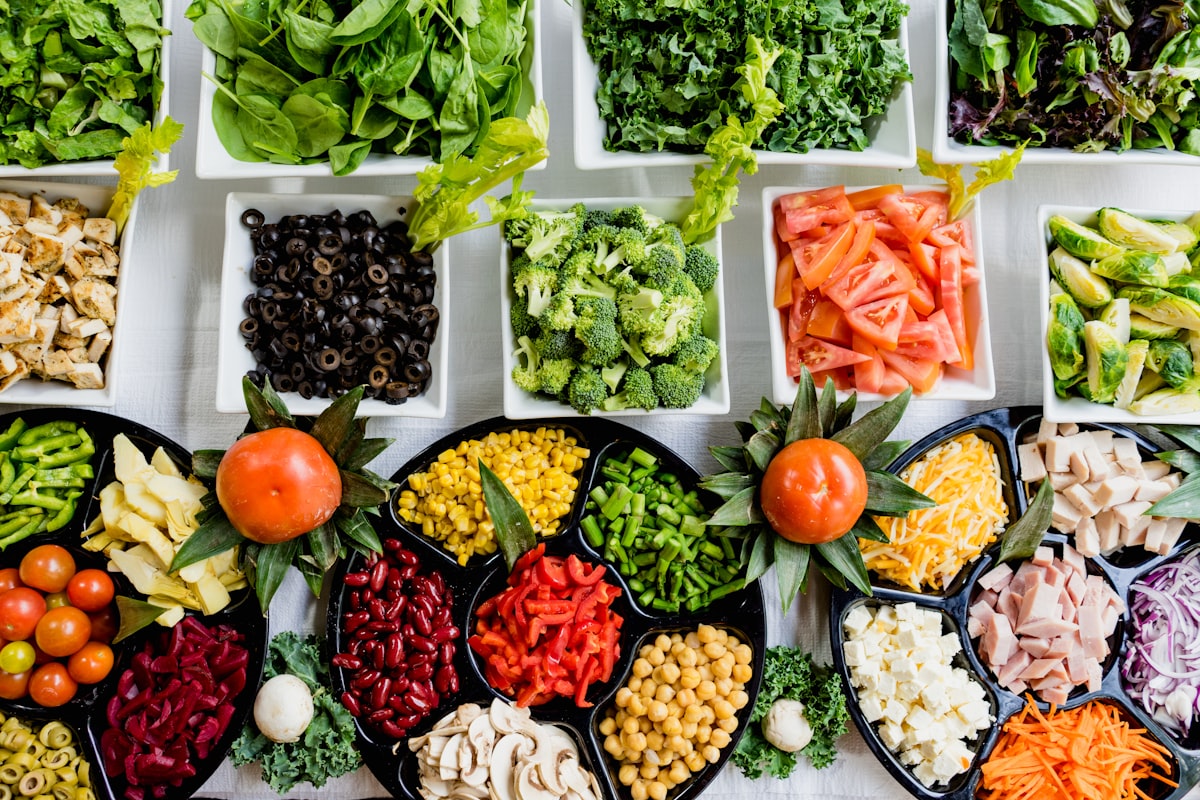
The 5-Step Label Reading Framework
Check the Serving Size
Before doing anything else, locate the serving size at the top of the nutrition facts label. This determines all the nutritional values listed below. A product may seem low in calories until you realise it contains multiple servings per package.
Assess Calorie Content
Compare calories across similar products. A general guideline: 100 calories per 100g is moderate; below that suggests lower energy density. Consider your daily calorie needs—typically 2000 for adults, though individual requirements vary.
Limit the Big Three: Saturated Fat, Added Sugar, Sodium
The UK recommends limiting saturated fat to 20g daily, added sugars to 30g daily, and sodium to 6g daily. Use the % DV column to quickly assess if a product is high or low in these nutrients. Aim for less than 20% DV per serving.
Seek Beneficial Nutrients: Fibre, Protein, Vitamins
Look for products higher in dietary fibre (aim for 25-30g daily), protein (especially for satiety and muscle maintenance), and essential micronutrients like iron, calcium, and vitamin D. Aim for 20% DV or higher on these beneficial nutrients.
Review the Ingredient List
Ingredients are listed by weight in descending order. Fewer ingredients typically means less processing. Watch for added sugars disguised under different names (glucose syrup, maltose, honey), unhealthy oils, and unrecognisable additives that might trigger sensitivities.
Hidden Ingredients to Watch For
Hidden Sugars
Manufacturers use over 60 different names for sugar. Look beyond "sugar" to spot glucose syrup, honey, agave nectar, molasses, dextrose, maltose, and cane juice. These all count as added sugars and impact your health similarly.
Unhealthy Fats
Partially hydrogenated oils and palm oil are common culprits. Saturated fats should be limited, whilst trans fats should be avoided entirely. Look for products specifying "unhydrogenated oils" or simply avoiding oil-heavy ingredient lists.
Excessive Sodium
High-sodium products can contribute to elevated blood pressure concerns when consumed regularly. Processed foods, cured meats, soups, and condiments often pack surprising amounts of sodium. The UK daily target is 6g (2400mg) for adults.
Artificial Additives & Preservatives
Common additives include artificial colours (E numbers), artificial sweeteners, and preservatives like BHA and BHT. Whilst approved for safety, some individuals may have sensitivities. Natural alternatives exist for most products.
Ultra-Processed Indicators
If a product has more than 5-7 ingredients, particularly unfamiliar chemical names, it's likely ultra-processed. These foods tend to be higher in calories, added sugars, and sodium, whilst lower in nutrients and fibre.
Misleading Health Claims
Labels touting "natural," "multigrain," "low fat," or "healthy" don't always mean nutritious. A "low fat" product often contains added sugars for taste. Always verify claims by checking the nutrition facts panel rather than relying on marketing messages.
Common Label Reading Questions
Total sugars include both naturally occurring sugars (like those in fruit and milk) and added sugars (added during processing). The UK nutrition label now specifies "of which sugars" to highlight added sugars. This distinction matters: naturally occurring sugars come with fibre, vitamins, and minerals, whilst added sugars provide only empty calories. Focus on limiting added sugars to 30g daily.
Ignore front-of-package marketing and turn the package over. Check the nutrition facts: look for low saturated fat (below 20% DV), low added sugar (below 20% DV), low sodium (below 20% DV), and high fibre (above 15% DV). Also examine the ingredient list—if you recognise most items and the list is short, it's likely genuinely healthier than marketing suggests.
Nutrition labels typically show values per serving, but products vary in serving size, making comparison difficult. UK labels also include "per 100g" values, allowing fair comparison across similar products regardless of serving size. For example, two cereals might list different serving sizes (30g vs 40g), but comparing their 100g values reveals which is truly lower in sugar. Use per 100g to make fair product comparisons.
Many UK products display optional colour-coded labels: green indicates low amounts of saturated fat, sugar, and sodium; amber indicates medium amounts; red indicates high amounts. This visual system simplifies label reading at a glance. A product with mostly green is generally a better nutritional choice than one with multiple red sections. However, don't ignore it in favour of the full nutrition facts panel, which provides specific numbers.
UK law requires major allergens (milk, eggs, peanuts, tree nuts, fish, shellfish, sesame, soya, celery, mustard, lupine, molluscs, sulphites) to be clearly labelled and highlighted in the ingredient list, usually in bold or capitals. Additionally, look for "may contain" statements indicating possible cross-contamination during manufacturing. If you have severe allergies, contact manufacturers directly for complete allergen information beyond label statements.
Common UK certifications include the Red Tractor logo (assured British farm production), the Organic seal (certified organic farming), the Fair Trade mark (ethical sourcing), and various eco-labels. The Heart Foundation tick indicates a product with lower saturated fat and salt. These symbols indicate meeting specific standards, though the full nutrition label remains your best tool for assessing actual nutritional value. Don't assume certified products are automatically healthier—always check the nutrition facts.
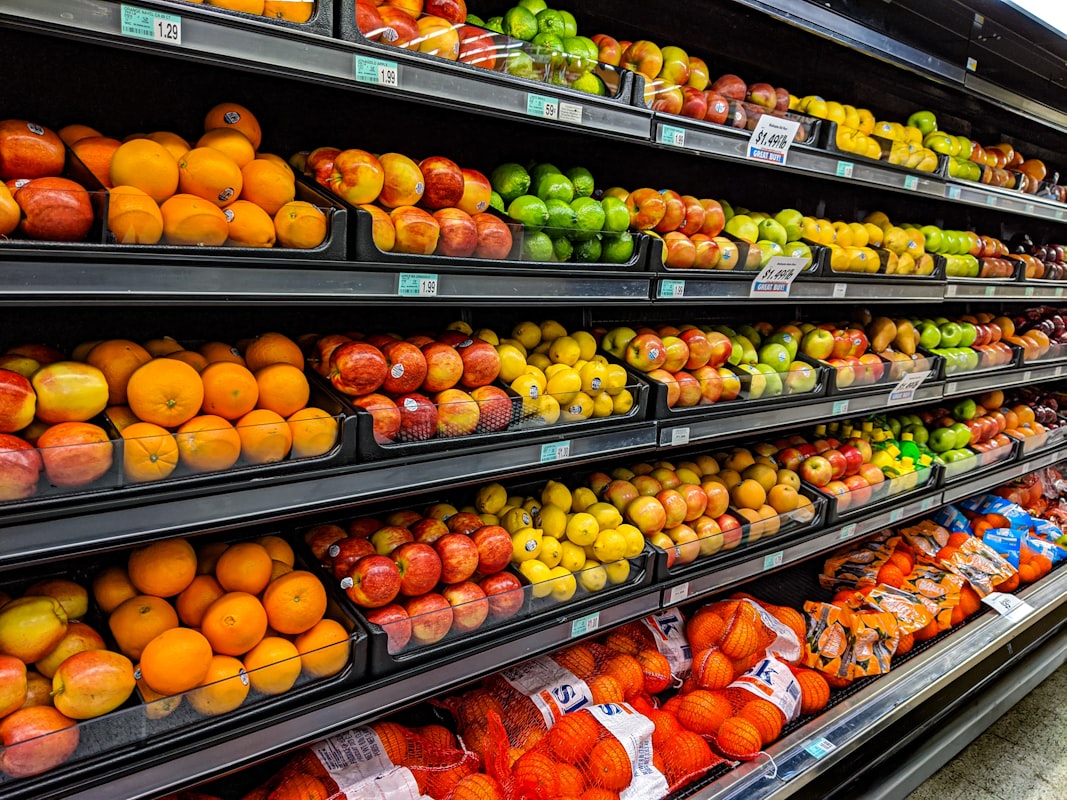
Practical Shopping Tips Using Label Knowledge
Armed with label-reading skills, your next supermarket visit becomes a strategic nutrition mission rather than a mindless routine. Successful shoppers develop systems that make healthy choices automatic and effortless.
Plan Before You Shop
Review your meal plan and create a specific shopping list. Research products at home using their websites or label images online. This prevents impulse purchases and keeps you focused on nutritional priorities.
Compare Similar Products
Take time to compare three options in any category. Use per 100g per 100g nutritional labels to ensure fair comparison across brands and package sizes. This simple step saves money and improves nutritional choices simultaneously.
What Our Customers Say
"Vitaminboostwell helped me save 30% on supplements while improving my nutrition. The shopping tips are genuinely useful and backed by science."
Sarah Mitchell
Certified Nutritionist
"Finally, a resource that makes vitamin shopping transparent and easy. I've cut my supplement costs significantly without compromising quality."
James Rodriguez
Fitness Enthusiast
Frequently Asked Questions
How can I identify quality supplements?
Look for third-party certification marks (USP, NSF, ConsumerLab), transparent ingredient lists, and reputable manufacturers. Check the supplement facts label for active ingredient amounts and compare across brands using per-serving measurements.
Is buying in bulk always cheaper?
Not necessarily. Always calculate the cost per 100g or per serving to compare accurately. Sometimes smaller packages offer better value, especially with vitamins that have expiration dates. Consider your actual usage frequency before bulk purchasing.
What's the best time to shop for vitamins?
Shop during seasonal sales (January, back-to-school) and use cashback programs. Subscribe to newsletters for exclusive discounts. Avoid impulse purchases by planning your vitamin regimen in advance and creating a prioritized shopping list.
How do I verify supplement authenticity?
Purchase from authorized retailers and official brand websites. Check for holographic security features and consistent branding. Verify batch numbers if concerned about counterfeits. Licensed health professionals can also recommend trusted sources.
Start Optimizing Your Vitamin Shopping Today
Join thousands of smart shoppers who save money while improving their health with Vitaminboostwell.